

Move More. Feel Better. Play Pickleball.
Research shows that exercise — including pickleball — can slow the progression of Parkinson’s symptoms and improve quality of life.
Why Pickleball Works for People Living with Parkinson’s
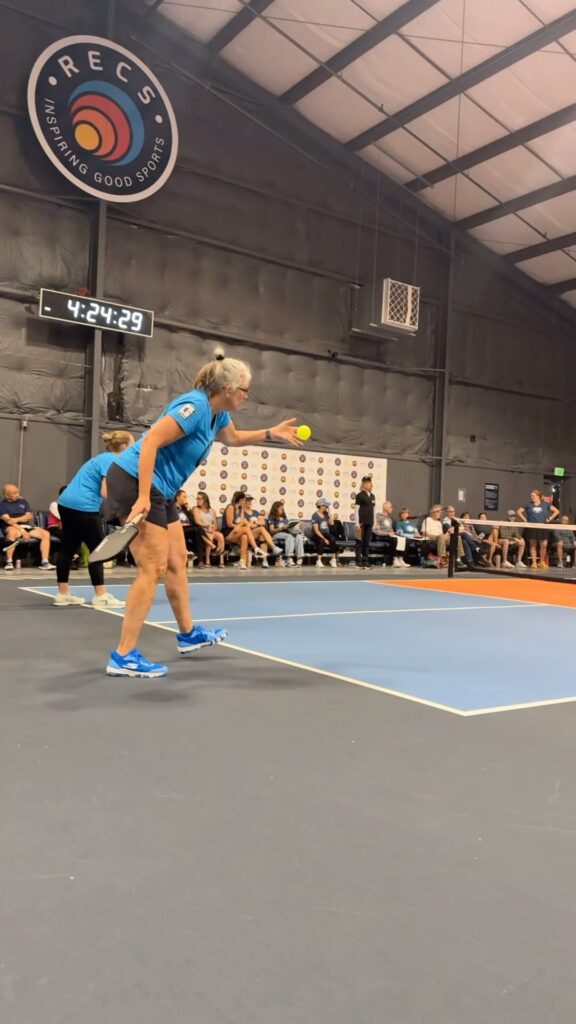
Pickleball has become a new way for those with Parkinson’s disease to infuse exercise with socialization. According to the Parkinson’s Foundation, research shows that at least 2.5 hours of consistent exercise per week can slow symptom progression and improve physical and emotional well-being.
“Pickleball can be more than a game. For people who have the disease, it can be a powerful tool for movement and connection — essential elements of living well with Parkinson’s.”
10 Tips for Playing with Parkinson’s
Via Pickleball Magazine & the Parkinson’s Foundation:
-
1
Get clearance from your neurologistBefore starting pickleball or any new exercise, talk to your neurologist or Parkinson’s doctor to make sure it’s safe.
-
2
Work with a physical therapistLet your PT know you’re playing — they can customize your sessions to improve movement and mobility on the court.
-
3
Incorporate other exercisesExplore exercises that address disease-specific balance, agility, and movement needs on days you’re not playing pickleball.
-
4
Warm up before playingDevelop a warm-up routine that works for you. Your physical therapist is a great resource for building one.
-
5
Don’t play hurtParkinson’s symptoms change day to day. Listen to your body and rest when you need more recovery time.
-
6
Play during “on” timesTake advantage of periods when your medication is working well and symptoms are most manageable.
-
7
Use pickleball to build communityPlaying doubles reduces court coverage and builds relationships. It’s a great way to bond with a family member or spouse.
-
8
Always stay hydratedOn or off the court, dehydration can worsen Parkinson’s symptoms. Not drinking enough can also cause muscle cramps and dizziness.
-
9
Modify the game as neededAdjust game lengths, add more breaks, or stick to doubles. Playing with others who have Parkinson’s is a great way to build in modifications naturally.
-
10
Explore “Pickleball for Parkinson’s” eventsLook for local events or start your own. Participating in the broader PD pickleball community is a powerful way to stay motivated and connected.
“Pickleball can be more than a game. For people who have the disease, it can be a powerful tool for movement and connection — essential elements of living well with Parkinson’s.” — Matthew Schwartz, Pickleball Magazine
Source: Pickleball Magazine — “Tips for Players with Parkinson’s Disease” by Matthew Schwartz, citing the Parkinson’s Foundation
This content is for informational purposes only. Always consult your physician or neurologist before beginning a new exercise program.
Pickleball for Parkinson’s
Join us for weekly Pickleball sessions created specifically for those who are experiencing Parkinson’s disease.
What are the benefits of Pickleball for those with Parkinson’s?

Social
The social nature of the game supports mental health and reduces isolation. Playing Pickleball is a great way to meet new people!
Mental
The hand-eye coordination required during play engages the brain and body simultaneously, which helps with motor control and cognitive function.

Physical
Pickleball helps you stay active and improves balance, coordination, and reaction time, all of which are commonly affected by Parkinson’s.